Archives February 2026

Starting Your Garlic Farm: A Beginner’s Guide

Garlic is a flavorful and versatile crop loved by chefs and home cooks alike. If you’re considering starting your own garlic farm, this beginner’s guide will walk you through the essentials of soil preparation, planting, and care to help you grow a successful and bountiful crop.
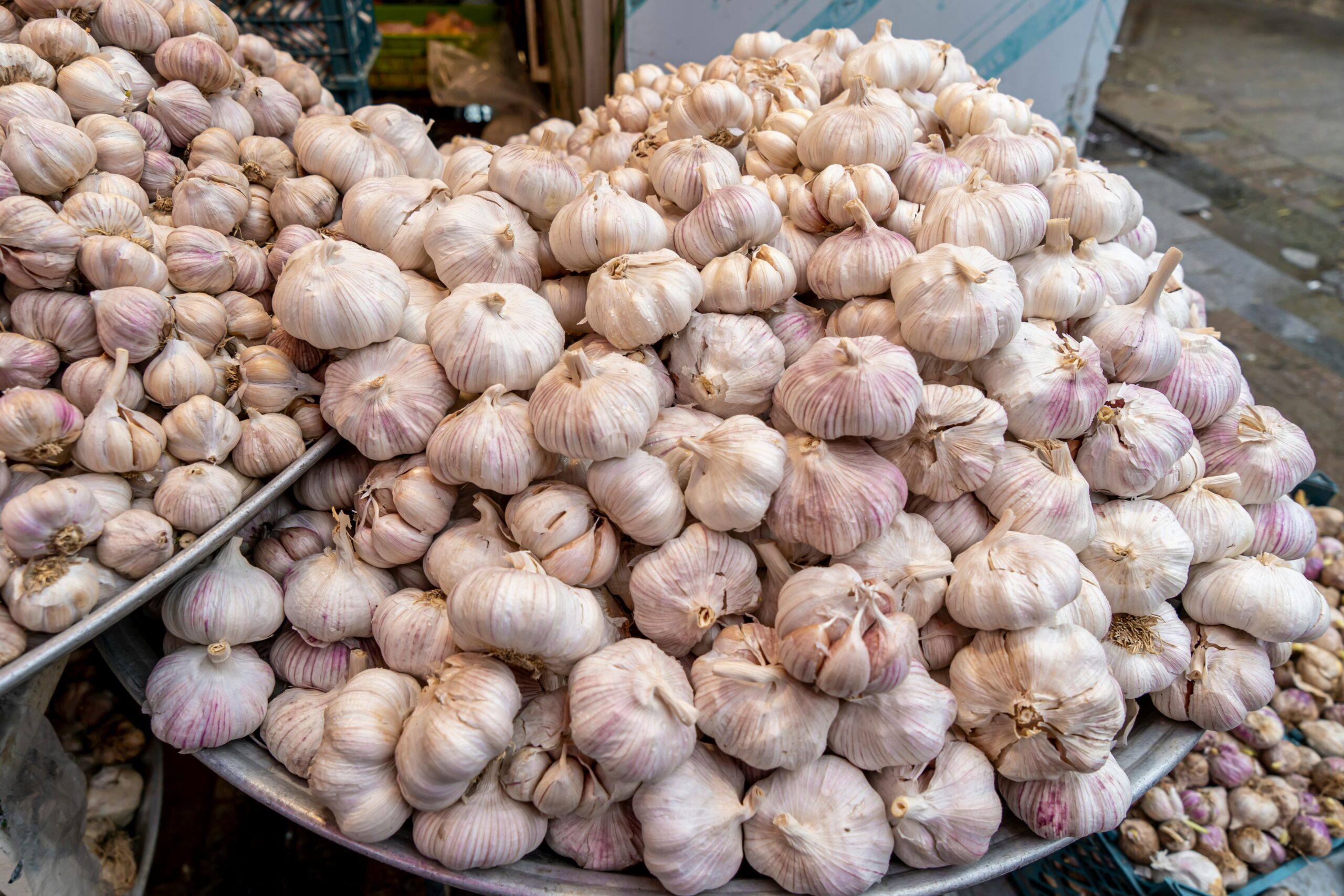
garlic farming

Soil Preparation

Garlic thrives in well-drained, fertile soil with a pH between 6.0 and 7.0. Before planting, it’s important to prepare your soil properly. Start by testing the soil to determine its pH and nutrient content. Amend the soil as needed with organic matter, like compost or aged manure, to improve fertility and drainage. Avoid waterlogged areas, as garlic bulbs are prone to rotting in excessively wet soil.

Choosing and Planting Garlic

There are two main types of garlic: hardneck and softneck. Hardneck garlic produces a stiff stalk and is better suited for colder climates, while softneck garlic is more adaptable and often found in grocery stores. Choose a variety that fits your climate and market.

Break the garlic bulbs into individual cloves a few days before planting but keep the papery skin intact. Plant cloves upright, with the pointed end up, about 2 inches deep and 4 to 6 inches apart in rows spaced about 12 inches apart. Planting is typically done in the fall to allow the cloves to develop roots before winter.

Garlic Care and Maintenance

Water garlic consistently during its growing season, especially during dry spells. However, be careful not to overwater, as this can cause bulb rot. Applying a layer of mulch helps retain soil moisture and suppress weeds. Fertilize with a balanced fertilizer or organic alternatives like fish emulsion during the growing season to support healthy growth.

Weed your garlic bed regularly to reduce competition for nutrients. In early summer, you may notice flower stalks called scapes emerging on hardneck varieties. Removing scapes encourages the plant to focus energy on bulb growth and can also provide a delicious ingredient for cooking.

Harvesting and Storage

Garlic is ready to harvest when the lower leaves begin to brown but the upper leaves remain green. Carefully lift the bulbs from the soil and brush off excess dirt, but do not wash them to avoid mold. Cure the garlic by hanging the bulbs in a well-ventilated, dry area for two to four weeks.

Properly cured garlic can be stored for several months in a cool, dry place. This long shelf life makes garlic a rewarding crop for home gardeners and commercial farmers alike.

Starting a garlic farm can be a fulfilling project that yields not only tasty garlic but also the satisfaction of growing your own food. With the right preparation and care, you’ll be on the path to a successful harvest.
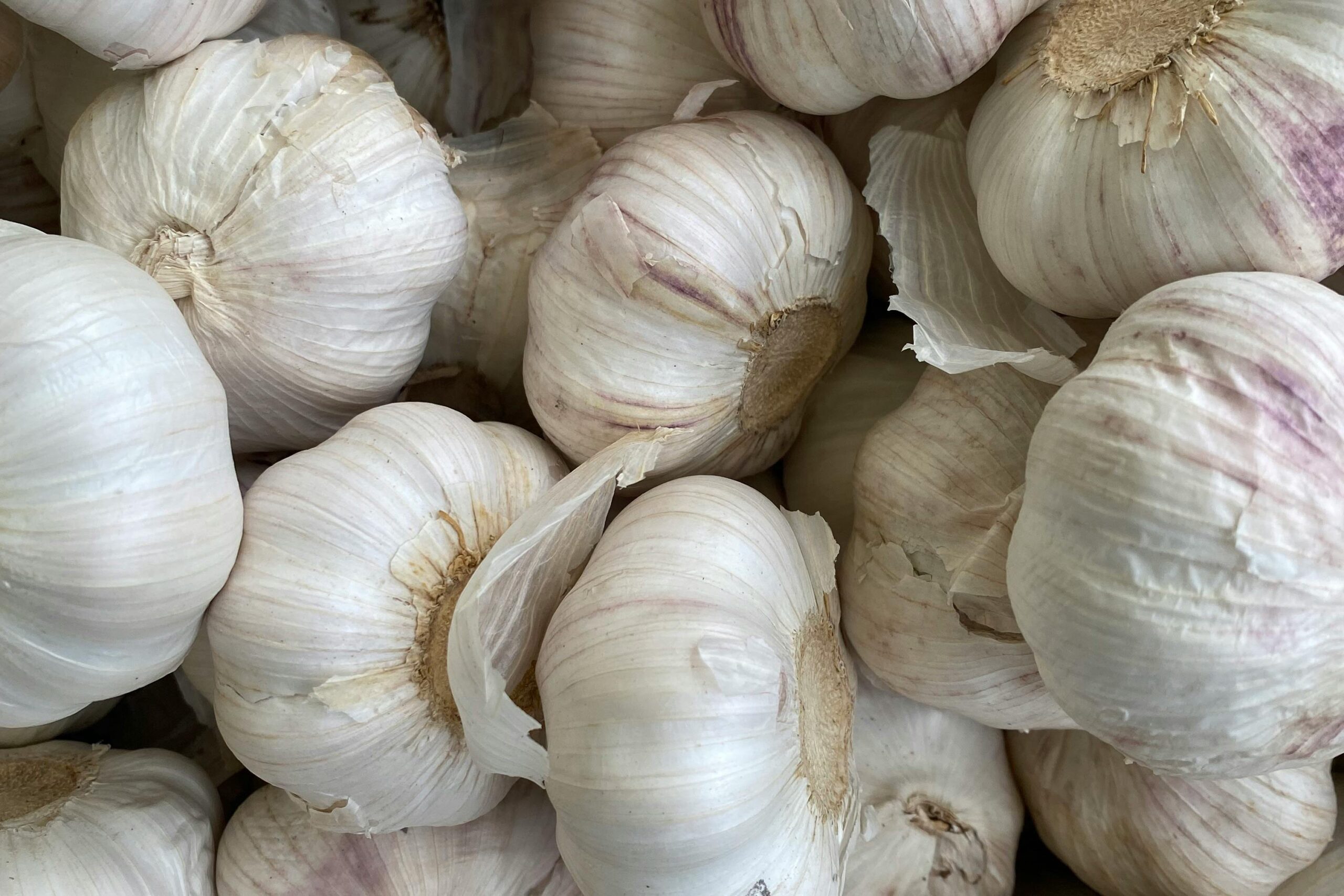
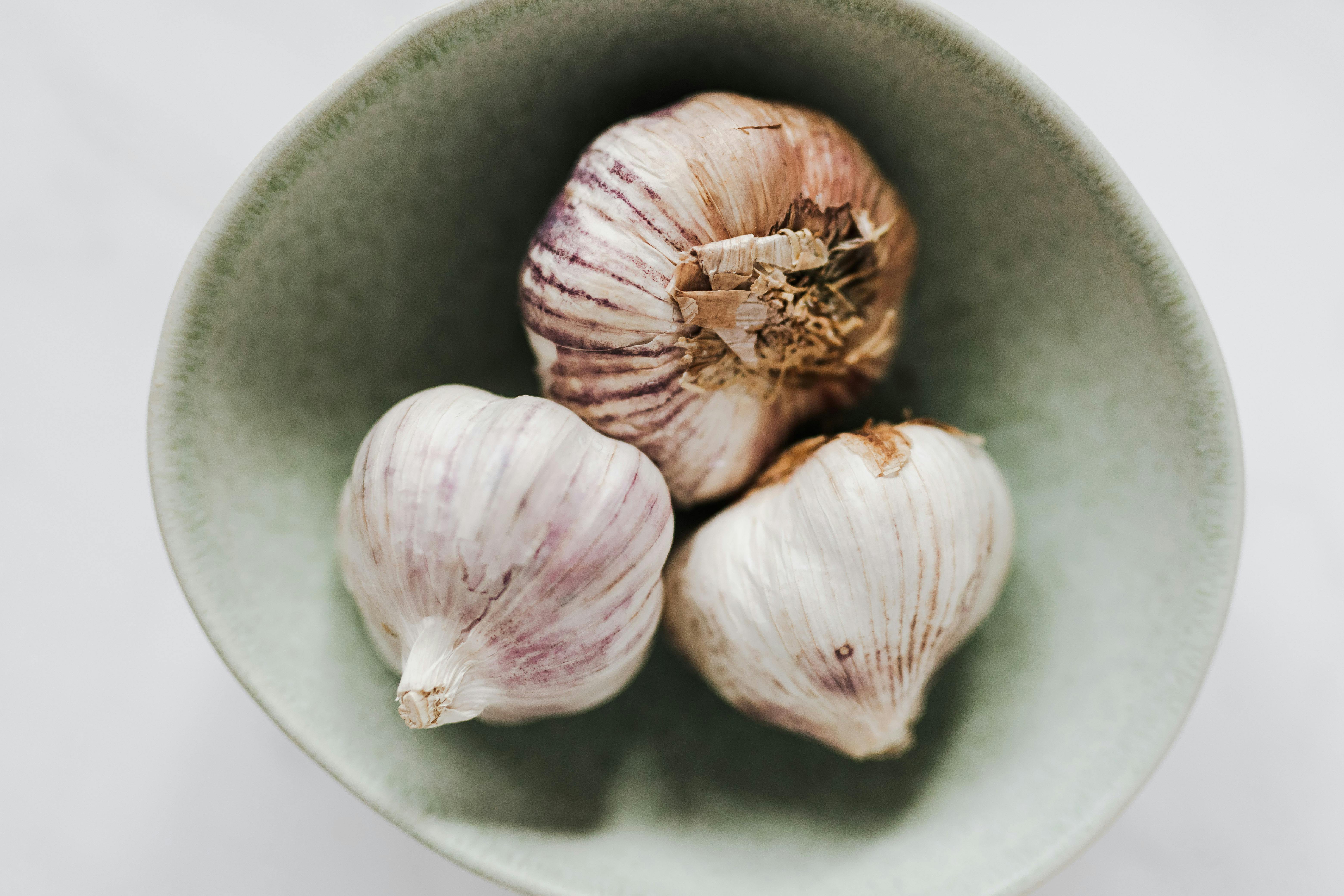
Health Benefits of Garlic: A Nutritional and Medicinal Overview

Garlic, a staple ingredient in many kitchens worldwide, is much more than just a flavorful addition to food. Known scientifically as Allium sativum, garlic boasts a rich history of use in traditional medicine and culinary arts. Incorporating garlic into your diet offers numerous nutritional and medicinal benefits that can enhance your overall health.

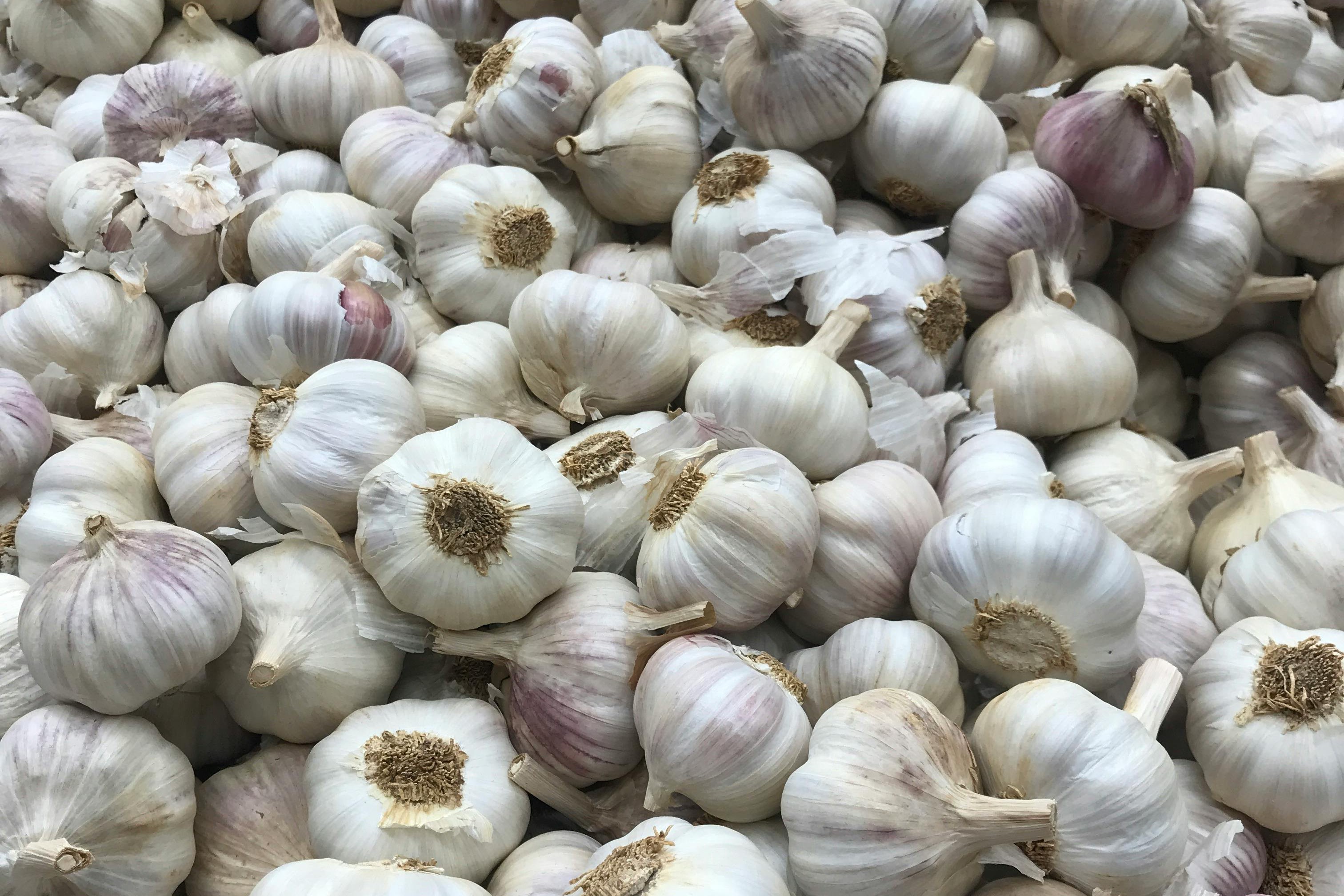
healthy garlic

One of the primary benefits of garlic is its powerful antioxidant properties. Garlic contains compounds like allicin, which are responsible for its distinctive aroma and some of its potent health effects. These antioxidants help combat oxidative stress, protecting the body’s cells from damage caused by free radicals. This may reduce the risk of chronic diseases such as heart disease and cancer.

Garlic is well-known for its positive effects on heart health. Regular consumption has been linked to lower blood pressure, improved cholesterol levels, and enhanced circulation. By supporting cardiovascular health, garlic can help reduce the risk of heart attacks and strokes. Studies have shown that garlic supplementation, either in food or as a supplement, may help to decrease systolic and diastolic blood pressure in people with hypertension.

Beyond cardiovascular benefits, garlic also boasts antimicrobial and immune-boosting properties. The compounds in garlic exhibit antibacterial, antiviral, and antifungal activity, which can help the body fight infections. Including garlic in your diet may reduce the frequency and severity of common colds and other illnesses. Some research suggests that garlic can stimulate certain immune cells, increasing the body’s ability to defend against pathogens.

Furthermore, garlic has demonstrated potential benefits in managing blood sugar levels. Some studies suggest that garlic helps improve insulin sensitivity, making it beneficial for individuals with diabetes or at risk of developing the condition. While more research is needed, these findings highlight garlic’s possible role in metabolic health.

In addition to these health benefits, garlic is nutrient-rich, containing vitamin C, vitamin B6, manganese, and selenium. These essential nutrients contribute to overall well-being and support various bodily functions, including immune response and metabolism.

Adding garlic to your meals is easy and versatile. It can be used raw, roasted, sautéed, or incorporated into sauces, dressings, and marinades. For those who dislike the pungent taste or smell, garlic supplements are available, although it’s best to consult with a healthcare provider before starting any new supplement regimen.

In summary, garlic is a powerful food with a range of health benefits including antioxidant effects, heart health support, immune system enhancement, and potential blood sugar regulation. Including garlic in your daily diet is a simple yet effective way to boost your health and enjoy delicious meals at the same time.

Harvesting and Storing Garlic: Tips and Techniques for Long-Term Use

Garlic is a staple in kitchens worldwide, treasured for its unique flavor and numerous health benefits. Successfully growing, harvesting, and storing garlic ensures you have a fresh supply throughout the year. Knowing when to harvest and how to store garlic properly can make a significant difference in the flavor, texture, and longevity of your garlic bulbs.

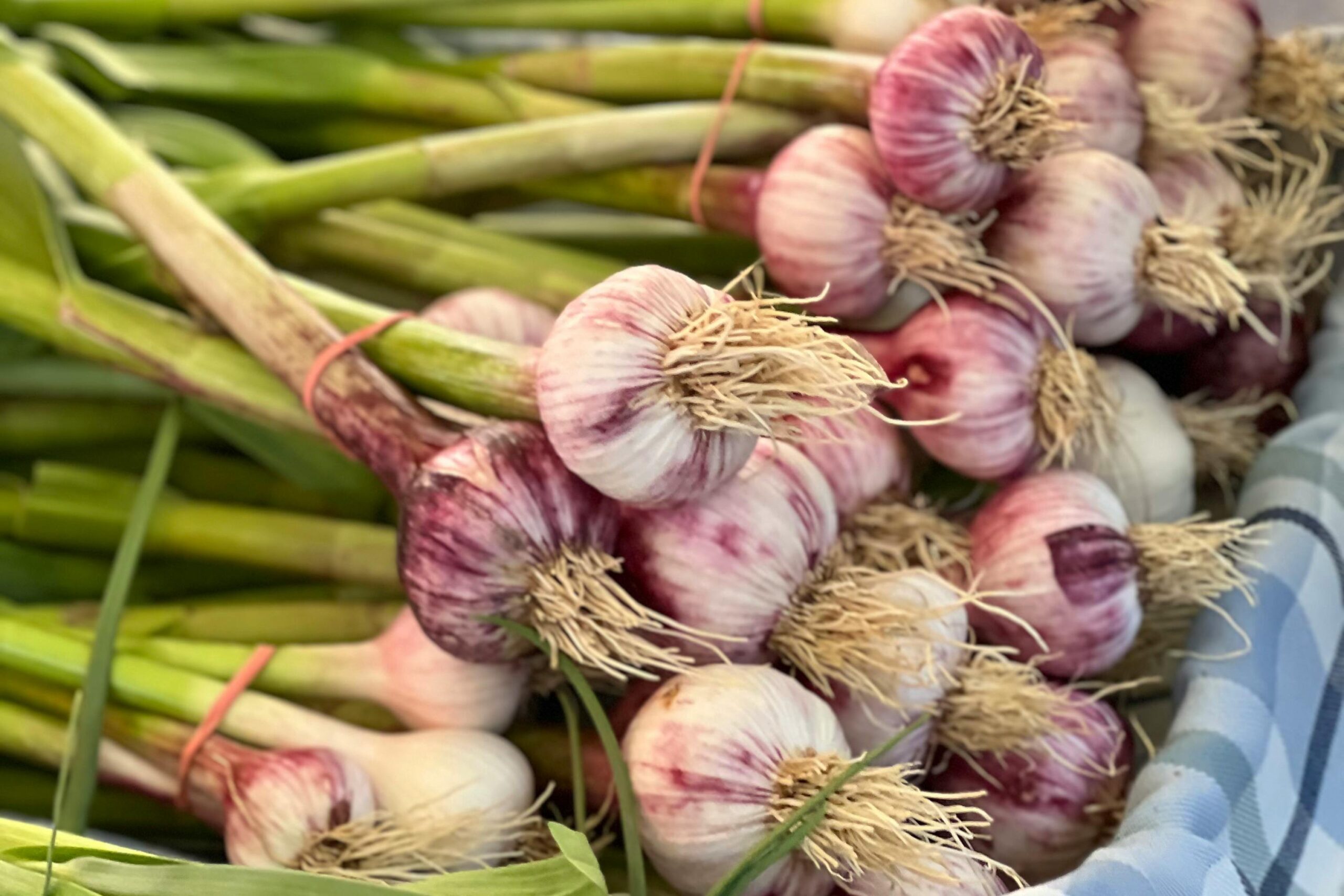
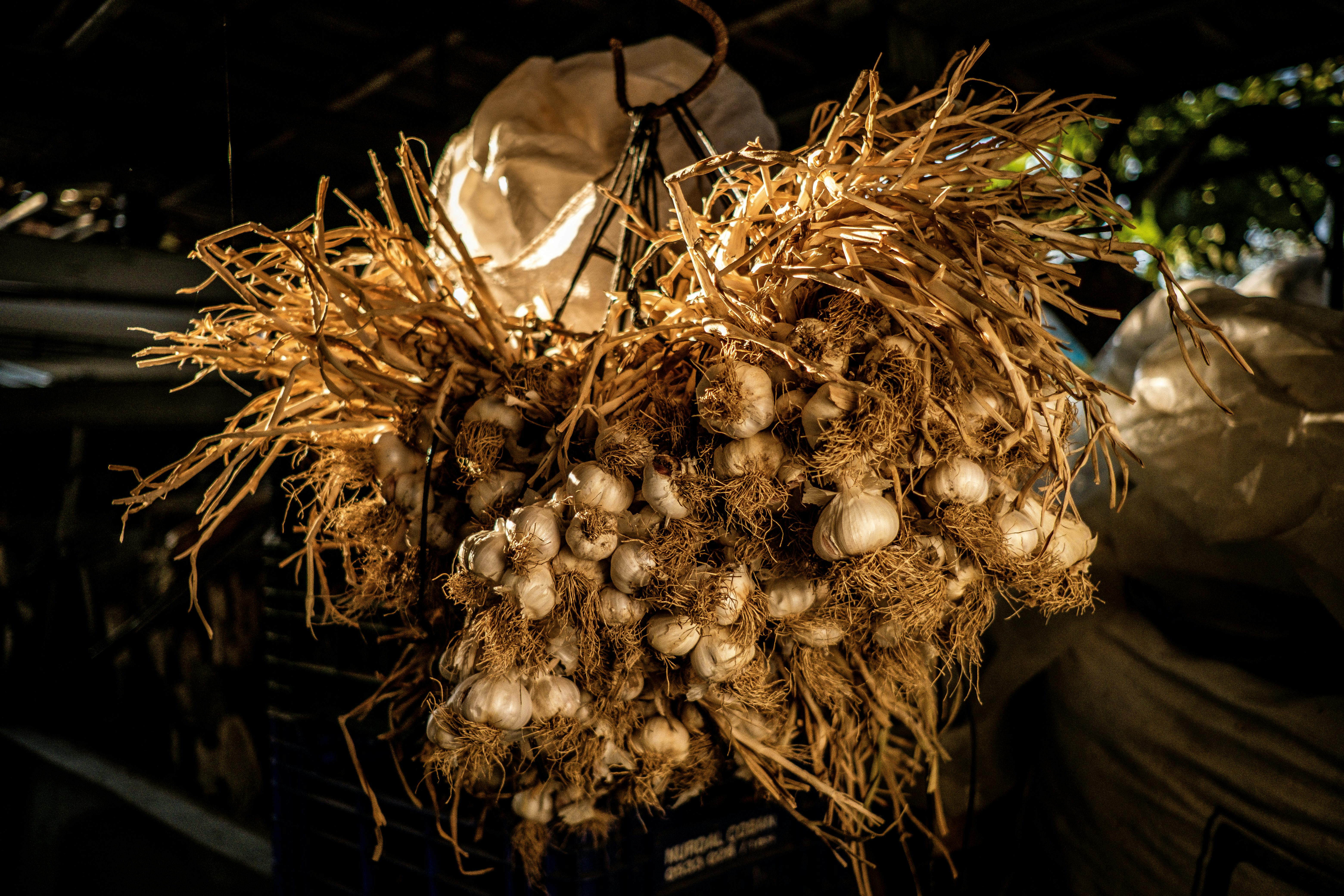
garlic bulbs

When to Harvest Garlic

One of the most critical steps in growing garlic is harvesting it at the right time. Garlic typically takes between 7 to 9 months to mature, depending on the variety and growing conditions. The best harvest time is usually in mid to late summer, but the key indicator is the condition of the green leaves.

Watch for when the lower leaves start to turn brown and dry, while the upper leaves remain green. Ideally, about half to two-thirds of the leaves should have dried before you dig up your garlic. Harvesting too early may result in underdeveloped bulbs, while waiting too long can cause cloves to separate and reduce shelf life.

How to Harvest Garlic

Carefully loosen the soil around the garlic with a garden fork or spade to prevent damaging the bulbs. Gently pull the garlic plants out of the soil by their leaves. Avoid twisting or pulling hard, which can break off cloves or damage the bulb.

After harvesting, shake off excess dirt but avoid washing the garlic. Clean garlic, especially when wet, may be prone to mold during storage.

Curing Garlic

Curing is essential to prepare your garlic for long-term storage. Hang the garlic plants in a warm, dry, well-ventilated area out of direct sunlight for about two to four weeks. This process helps dry the outer skin and neck, protecting the cloves inside and improving storage life.

Alternatively, you can lay garlic out in a single layer on a drying rack or screen, ensuring plenty of airflow around each bulb. The garlic is adequately cured when the skins are papery, and the roots are dry and brittle.

Storing Garlic for Long-Term Use

Proper storage conditions are crucial to keep garlic fresh and flavorful for months. Garlic prefers a cool, dark, dry place with good air circulation. Ideal storage temperature ranges between 60°F to 65°F (15°C to 18°C).

Store cured garlic bulbs in mesh bags, paper bags, or baskets that promote breathability. Avoid plastic bags or sealed containers, which can trap moisture and lead to mold or sprouting.

If you have harvested green garlic or wish to store garlic longer than a few months, you can also consider freezing peeled cloves or storing garlic in oil in the refrigerator (although this should be done with care to avoid the risk of botulism).

Final Tips

  • Label your stored garlic with the harvest date so you can use older bulbs first.
  • Inspect stored garlic regularly and remove any soft or sprouting bulbs to prevent spoilage spreading.
  • Consider growing different garlic varieties to experience diverse flavors and storage capabilities.

With these tips and techniques, your homegrown garlic will remain fresh and ready to enhance your favorite dishes well beyond its harvest season. Happy gardening and cooking!

Garlic Pest and Disease Management: Effective Strategies to Protect Your Crop

Garlic is a popular and versatile crop grown by many gardeners and farmers worldwide. However, like any agricultural product, it is susceptible to various pests and diseases that can severely impact both the yield and quality of the harvest. Effective management strategies are crucial to maintaining healthy garlic crops and ensuring a bountiful yield.

garlic pests

Identifying Common Garlic Pests

Several pests commonly attack garlic plants, including onion thrips, leek moth larvae, nematodes, and bulb flies. Onion thrips are tiny insects that feed on the leaves, causing silvery streaks and leading to reduced bulb size. Leek moth larvae tunnel into leaves and bulbs, which weakens the plant and makes it susceptible to secondary infections.

Nematodes are microscopic worms that attack the root zones; their presence often results in stunted plant growth and shriveled bulbs. Additionally, the garlic bulb fly lays eggs at the base of the plant. The emerging larvae burrow into the bulbs, causing decay and possibly complete loss of the crop.

Recognizing Garlic Diseases

Garlic plants can be affected by fungal, bacterial, and viral diseases. One of the most notorious fungal diseases is white rot, which attacks the roots and bulb, causing rotting and yellowing leaves. Downy mildew is another fungal infection that produces a grayish mold on leaves and results in wilting.

Bacterial diseases such as bacterial soft rot lead to mushy and foul-smelling bulbs, often worsening under wet conditions. Viral diseases, although less common, may stunt the garlic plants and cause deformities in the cloves.

Effective Management Techniques

Proper pest and disease management begins with prevention. Crop rotation is highly recommended; avoid planting garlic in the same bed year after year to reduce the buildup of pests and pathogens in the soil. Use certified disease-free seed garlic to minimize the risk of introducing viruses or fungal spores.

Maintaining well-drained soil and avoiding overhead irrigation can reduce the chances of fungal diseases. Insect pests can often be controlled with the timely use of organic insecticides such as neem oil or insecticidal soap; monitoring the crop regularly helps in early detection.

For nematodes, soil solarization (covering soil with plastic to heat it) before planting can reduce their population. In severe cases, chemical nematicides may be necessary but should be used cautiously to prevent environmental harm.

Removing and destroying infected plants prevents the spread of disease. Additionally, encourage beneficial insects like ladybugs and lacewings that prey on pests.

In conclusion, successful garlic cultivation depends on understanding and managing the pests and diseases that threaten it. By combining cultural practices, vigilant monitoring, and appropriate treatments, growers can protect their garlic crops and enjoy healthy, vibrant harvests.

Best Garlic Varieties to Grow in Your Garden

Garlic is a beloved staple in kitchens around the world, prized not only for its distinctive flavor but also for its health benefits. If you’re a gardening enthusiast looking to grow your own garlic, choosing the right variety for your climate and culinary preferences is essential. In this post, we explore some of the most popular and productive garlic varieties that can thrive in different environments and satisfy various tastes.

fresh garlic

1. Softneck Garlic (Allium sativum var. sativum)

Softneck garlic is the most commonly grown type, especially in milder climates. Its flexible stalk allows for easy braiding, making it popular for decorative purposes as well. Varieties like ‘Silverskin’ and ‘Artichoke’ belong to this group and are known for their long storage life and mild flavor. Softneck garlic grows well in the southern United States and areas with warmer winters.

2. Hardneck Garlic (Allium sativum var. ophioscorodon)

Hardneck garlic thrives in colder climates and produces a stiff central stalk called a scape, which is edible and delicious. Varieties such as ‘Rocambole’, ‘Porcelain’, and ‘Purple Stripe’ are known for their complex, robust flavors. These types often have fewer but larger cloves per bulb, making them excellent for gourmet cooking. Hardneck garlic typically matures earlier and has a shorter storage life than softneck.

3. Elephant Garlic (Allium ampeloprasum)

Though technically closer to the leek family, elephant garlic is often grown alongside true garlic. It produces very large bulbs with a milder taste, making it suitable for those who prefer subtle garlic flavors. Elephant garlic prefers mild climates and ample space as plants can grow quite large.

4. Specialty and Heirloom Varieties

There are many heirloom garlic varieties cherished for unique characteristics. For example, ‘Chesnok Red’ is a hardneck garlic known for its rich flavor and good storage. ‘Inchelium Red’ is a softneck variety with excellent disease resistance and adaptability. Exploring heirloom garlic can be rewarding for growers interested in preserving biodiversity and trying new taste profiles.

Tips for Growing Garlic Successfully

  • Planting time: Garlic is usually planted in the fall, a few weeks before the first frost, allowing roots to establish before winter dormancy.
  • Soil requirements: Garlic prefers well-drained, fertile soil with plenty of organic matter.
  • Sunlight: Full sun is ideal for robust growth.
  • Watering: Keep soil moist but not soggy, especially during the bulb formation stage.
  • Harvest: When the lower leaves start to brown, garlic is ready to harvest.

Whether you’re a seasoned gardener or just starting out, growing garlic can be both enjoyable and rewarding. Selecting the right variety for your climate and culinary needs ensures a bountiful harvest and flavorful bulbs to enhance your dishes. Give one of these popular garlic types a try this season and experience the satisfaction of homegrown garlic!

Contacts

+493139326608

+493840719848

[email protected]

27, Georg-Reismüller-Straße, Allach, Allach-Untermenzing, Munich

Our Team

Alexander Jackson

Alexander Jackson

Production Director
Olivia Jones

Olivia Jones

Project Manager
Michael Brown

Michael Brown

Marketing Director