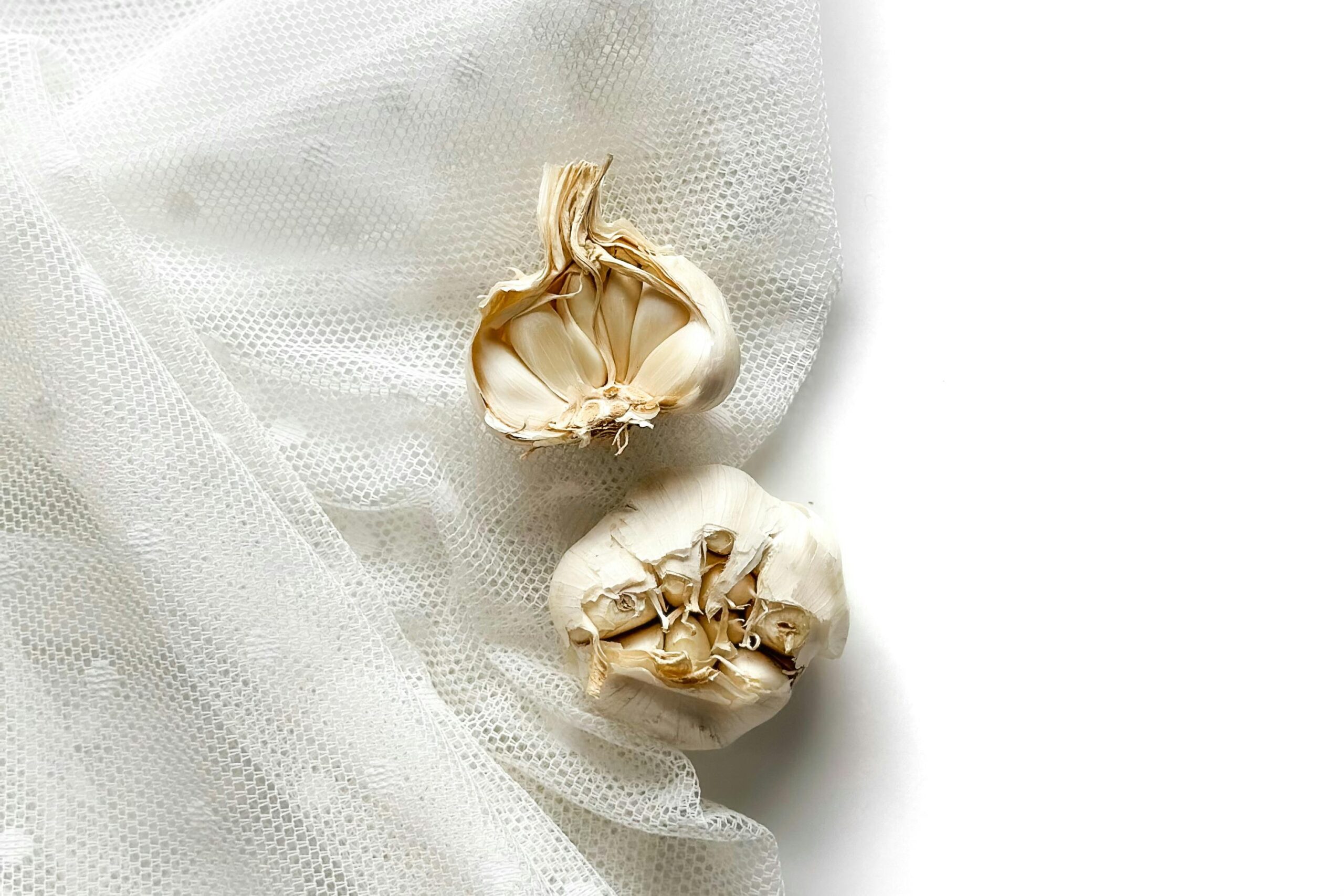
Garlic is a popular and versatile crop grown by many gardeners and farmers worldwide. However, like any agricultural product, it is susceptible to various pests and diseases that can severely impact both the yield and quality of the harvest. Effective management strategies are crucial to maintaining healthy garlic crops and ensuring a bountiful yield.
Identifying Common Garlic Pests
Several pests commonly attack garlic plants, including onion thrips, leek moth larvae, nematodes, and bulb flies. Onion thrips are tiny insects that feed on the leaves, causing silvery streaks and leading to reduced bulb size. Leek moth larvae tunnel into leaves and bulbs, which weakens the plant and makes it susceptible to secondary infections.
Nematodes are microscopic worms that attack the root zones; their presence often results in stunted plant growth and shriveled bulbs. Additionally, the garlic bulb fly lays eggs at the base of the plant. The emerging larvae burrow into the bulbs, causing decay and possibly complete loss of the crop.
Recognizing Garlic Diseases
Garlic plants can be affected by fungal, bacterial, and viral diseases. One of the most notorious fungal diseases is white rot, which attacks the roots and bulb, causing rotting and yellowing leaves. Downy mildew is another fungal infection that produces a grayish mold on leaves and results in wilting.
Bacterial diseases such as bacterial soft rot lead to mushy and foul-smelling bulbs, often worsening under wet conditions. Viral diseases, although less common, may stunt the garlic plants and cause deformities in the cloves.
Effective Management Techniques
Proper pest and disease management begins with prevention. Crop rotation is highly recommended; avoid planting garlic in the same bed year after year to reduce the buildup of pests and pathogens in the soil. Use certified disease-free seed garlic to minimize the risk of introducing viruses or fungal spores.
Maintaining well-drained soil and avoiding overhead irrigation can reduce the chances of fungal diseases. Insect pests can often be controlled with the timely use of organic insecticides such as neem oil or insecticidal soap; monitoring the crop regularly helps in early detection.
For nematodes, soil solarization (covering soil with plastic to heat it) before planting can reduce their population. In severe cases, chemical nematicides may be necessary but should be used cautiously to prevent environmental harm.
Removing and destroying infected plants prevents the spread of disease. Additionally, encourage beneficial insects like ladybugs and lacewings that prey on pests.
In conclusion, successful garlic cultivation depends on understanding and managing the pests and diseases that threaten it. By combining cultural practices, vigilant monitoring, and appropriate treatments, growers can protect their garlic crops and enjoy healthy, vibrant harvests.





GardenGuru
Thanks for the detailed overview! I found the tips on crop rotation particularly useful for reducing white rot in my garden.